
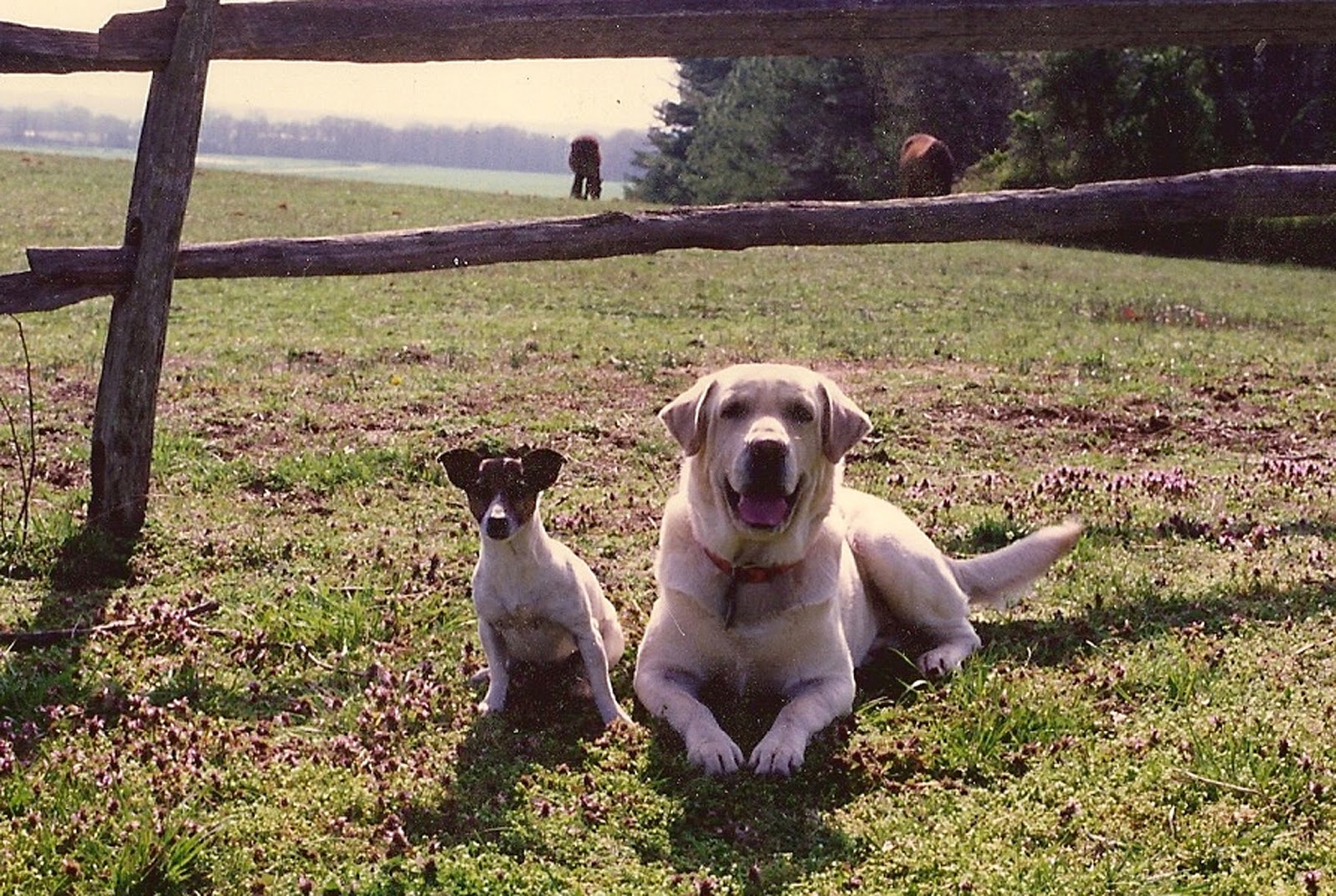
Losing a companion animal can bring intense grief. A pet may have shaped your daily routine, offered comfort and felt like family. After the death, many people long for reassurance or notice dreams, sounds, memories and coincidences that feel like messages.
You may hold those experiences as spiritually meaningful. They do not prove communication from an afterlife, and you do not need to decide exactly what they are for them to offer comfort. A grounded approach makes room for love, memory, belief and ordinary explanations.
Why a pet can feel present after death
Your mind and body learned thousands of small patterns: the sound of paws, feeding times, a shape in a favourite chair and the expectation of greeting them at the door. After loss, those predictions do not disappear immediately. You may briefly think you heard, saw or felt the pet.
This can be a common part of bereavement. It is not evidence that you are “going crazy,” nor is it automatic proof of a supernatural visit. Notice the experience, orient to the present and decide what meaning—if any—you want to give it.
Dreams about a deceased pet
Dreams may feel unusually vivid because grief, memory and longing are active. Some people interpret a calm dream as a visit; others see it as the mind processing attachment. Both interpretations can be held gently.
Write the dream before searching for meanings. Include the emotions, setting and what is happening in your life. Ask, “What does this dream help me remember or express?” Do not make an irreversible decision because a dream seemed to issue a command.
Sounds, shadows and familiar sensations
A creak may resemble a collar, peripheral vision may turn an object into a familiar shape, or a blanket may feel like a pet’s weight. Expectation, environment, fatigue and memory can all contribute.
If you have sudden visual changes, hearing changes, severe headaches, confusion or other concerning symptoms, seek appropriate medical assessment. If experiences are distressing, persistent or interfere with functioning, a qualified mental-health professional can help.
Coincidences and animal signs
A butterfly, bird, rainbow, repeated name or song may arrive at an emotionally powerful moment. You can use it as a personal symbol of remembrance without claiming it was sent.
Ask three questions:
- What happened in observable terms?
- What does it symbolize to me?
- What ordinary explanations are also possible?
The third question does not remove the comfort of the second.
A message you might imagine from your pet
Instead of trying to prove contact, write from your knowledge of the relationship. Complete these sentences in the pet’s familiar “voice”:
- “The part of our life I loved was…”
- “I knew you cared when…”
- “You do not need to feel guilty about…”
- “A way to carry our bond forward is…”
This is an imaginative grief exercise, not a verified transcript from the animal. It can help you access memories, compassion and unfinished feelings.
Working with guilt
Pet loss often brings “what if” thoughts about treatment, timing, accidents or euthanasia. Separate what you knew then from what you know now. Review the veterinary information, your intentions, the options available and the animal’s quality of life.
If guilt remains overwhelming, speak with a veterinarian, pet-loss support group or grief professional. A psychic claim should not replace medical records or exploit your uncertainty.
Create a simple home memorial
A memorial can fit ordinary life:
- place a photograph near the pet’s collar or favourite toy;
- make a small album of everyday moments;
- plant something suitable in the yard or keep a houseplant;
- write the story of how you met;
- donate supplies to a shelter if that fits your budget;
- take the familiar walking route and notice what you miss.
There is no required altar, offering or ceremony. Choose what feels comforting and safe.
A seven-day remembrance practice
Day 1: name the loss
Write the pet’s name, the date and what changed in your routine.
Day 2: remember care
List five ordinary ways you cared for each other.
Day 3: tell one story
Share a funny or tender memory with someone safe.
Day 4: make space for guilt
Write what you wish had been different, then add the facts and limits you faced.
Day 5: choose a symbol
Select a colour, photo or object as a voluntary reminder—not a test of whether the pet is near.
Day 6: care for the body
Eat, rest, move and attend to needed appointments. Grief is physically tiring.
Day 7: carry one value forward
Name what the relationship taught you—play, loyalty, patience or gentleness—and one way to express it now.
Children and pet loss
Use clear, age-appropriate language. Euphemisms such as “went to sleep” can create fear about sleep. Say that the pet died, the body stopped working and the pet cannot feel pain now, while allowing the family’s spiritual beliefs to be described as beliefs.
Invite questions and repeat answers patiently. Children may move in and out of grief quickly through play. Avoid claiming the pet is watching everything they do or could be upset with them.
Other animals in the home
Surviving animals may respond to changed routines, scents, household emotion or the absence of a companion. Maintain feeding and exercise schedules when possible and monitor behaviour, appetite and health.
Contact a veterinarian for persistent changes, pain signs, refusal to eat or other concerns. Do not assume a behaviour is an afterlife message.
When to welcome another pet
There is no correct waiting period. Another animal will not replace the one who died, and adopting is not proof that you have moved on. Consider emotional readiness, household agreement, time, housing, finances and the animal’s needs.
Do not adopt because a reader says the deceased pet has chosen a specific animal. Use the shelter’s or breeder’s information, meet the animal and make a practical decision.
Working with an animal communicator or medium
A session may provide a ritual for reflection, but communication with a deceased pet cannot be independently guaranteed. Ask about price, length, methods, privacy, refund terms and how uncertainty is handled.
Avoid anyone who claims the pet is suffering unless you pay, asks for escalating cleansing fees, tells you to make major decisions or uses guilt to keep you booking. Do not share account credentials or private identifiers.
When grief needs more support
Grief has no fixed schedule. Seek support if distress is overwhelming, daily functioning is seriously impaired, sleep or eating problems persist, substance use increases or you feel unable to cope. Pet-loss groups, grief counsellors, veterinarians and trusted community or faith supports may help in different ways.
If you may harm yourself or someone else, or there is immediate danger, contact local emergency or crisis services.
For a wider look at personal animal symbolism, read animal meanings and signs with grounded interpretation. If spirit-guide language is part of your beliefs, see a safe home practice for spiritual reflection and discernment.
The bond can continue without proof
Continuing a bond can mean remembering routines, telling stories, keeping a photograph or living out a value the animal brought into your life. You do not need a supernatural sign to confirm that the relationship mattered.
If a dream or coincidence feels like a loving message, you may receive the comfort while holding the explanation lightly. Love and memory are already real.
Frequently asked questions
Can a deceased pet send me a message?
Some people hold that belief, but afterlife communication cannot be independently guaranteed. Dreams, memories and coincidences may still feel meaningful without proving their source.
Why do I keep hearing or seeing my pet?
Your mind learned familiar sounds, shapes and routines, so brief experiences can occur during grief. Seek professional help if they are distressing, persistent, accompanied by health symptoms or interfering with daily life.
How can I cope with guilt after pet loss?
Review what you knew, the veterinary information, available options and your intentions at the time. A veterinarian, pet-loss group or grief professional can help when guilt remains overwhelming.
When is it okay to adopt another pet?
There is no required timetable. Consider readiness, household agreement, housing, time, finances and the new animal’s needs. Another pet does not replace the relationship you lost.