
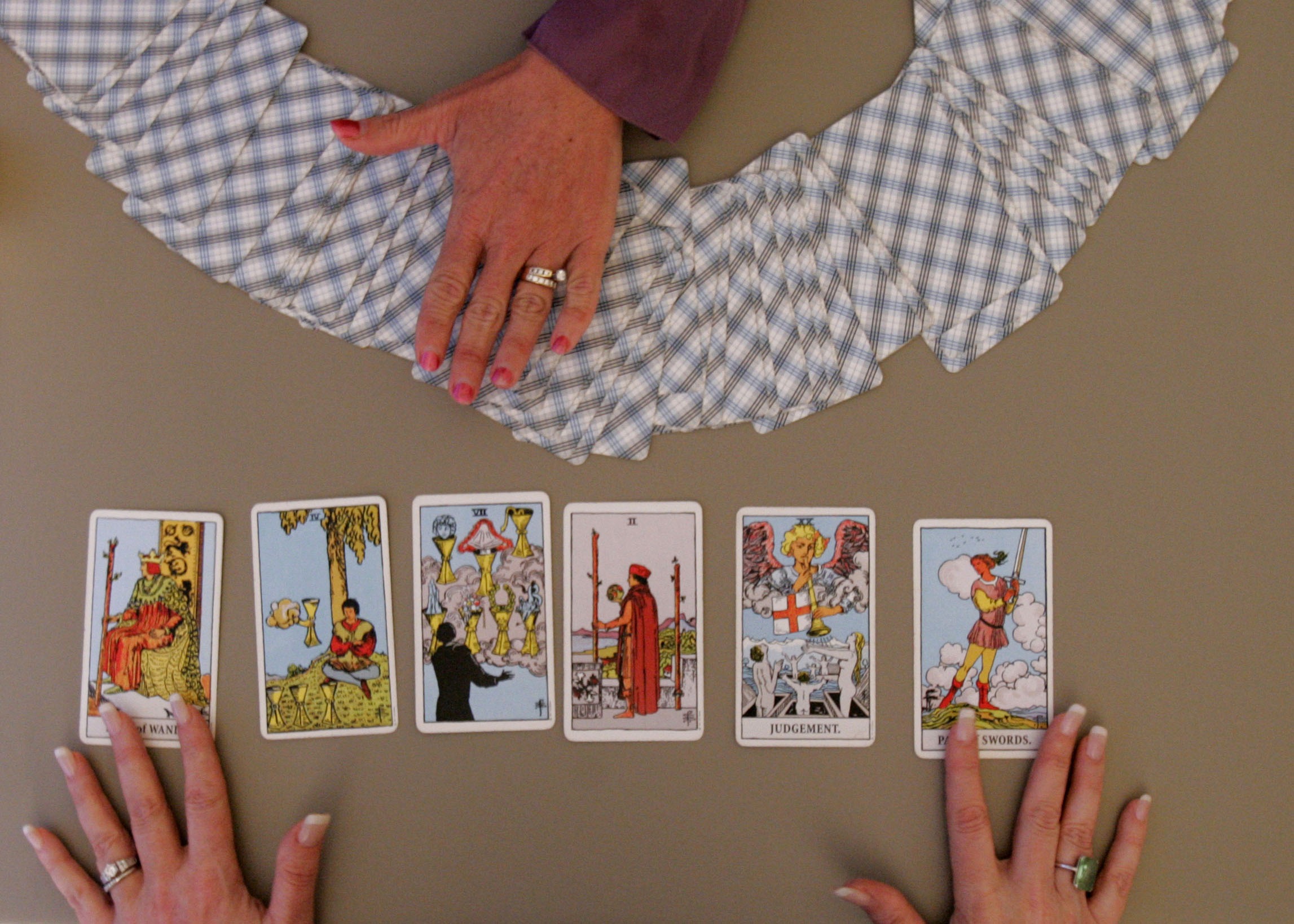
There is no scientific test that can authenticate supernatural mediumship. What you can evaluate is a practitioner’s honesty, business conduct, respect for consent and willingness to state uncertainty. This distinction matters: a medium may sincerely interpret impressions as communication from someone who died, but sincerity is not proof that the interpretation is factually correct.
Use this guide to choose a psychic medium more safely, prepare for a session and assess what happened without turning grief, hope or coincidence into certainty.
What a psychic medium claims to do
“Psychic” is a broad label for intuitive or paranormal practices. “Medium” usually refers to someone who says they receive impressions connected with people who have died. Methods vary: some describe mental images, words, sensations or symbols; others use cards, objects or prayer.
A responsible practitioner presents these experiences as interpretations. They should not claim unrestricted access to a deceased person, guarantee contact, diagnose illness, locate a missing person with certainty or replace official evidence.
What can—and cannot—be authenticated
You can confirm ordinary facts about a service:
- the advertised price and billing method;
- the reader’s stated method and scope;
- whether cancellation and refund terms are visible;
- whether independent reviews show a consistent pattern;
- whether the practitioner protects privacy and accepts boundaries;
- whether the final charge matches your authorization.
You cannot confirm a supernatural claim merely because a statement feels personal, a symbol is meaningful or a reader receives positive testimonials. Anecdotes can describe genuine experiences, but they do not establish accuracy under controlled conditions.
Do not judge legitimacy by the office
A polished studio, expensive neighbourhood or dramatic set proves nothing. Many ethical readers work from a modest home office, a quiet room or a secure phone setup. Many dishonest services invest heavily in appearance. Judge the process, terms and conduct—not the furniture, clothing or postcode.
Likewise, avoid stereotypes about students, parents, unemployed people or anyone doing part-time work. Employment status does not reveal honesty or ability. Specific behaviour does.
Before booking: seven focused checks
- Read the complete offer. Confirm whether pricing is per minute, per session or recurring.
- Look for named limits. A responsible reader should say that results are not guaranteed and that readings are not medical, legal, mental-health or financial advice.
- Search beyond testimonials. Compare reviews across sources and look for repeated billing, pressure or support problems.
- Check the refund process. Save the relevant policy before paying.
- Ask what information is required. Never provide passwords, one-time codes, banking credentials or unnecessary identity documents.
- Set a total budget. Decide the maximum amount before the session starts.
- Choose a stop point. Know how to end the call, disable auto-recharge and contact support.
For a more detailed fraud-and-payment checklist, read How to Avoid Phony Psychics.
Questions to ask the medium
- How do you describe your method?
- Can you guarantee contact with a particular person?
- How do you communicate uncertainty or a miss?
- May I decline a topic or stop at any time?
- What is the full price, including possible extensions?
- Do you record sessions, and how is my information stored?
A guarantee of a named spirit is not credible. A professional answer may be: “I cannot promise who, if anyone, I will interpret impressions about today.”
During the session: protect your agency
You do not need to sit expressionless or turn the appointment into a trap. A useful conversation may involve context and questions. Still, distinguish what you supplied from what the reader introduced.
Take notes under three headings:
- Reader introduced: details stated before you provided relevant information.
- I supplied: names, relationships, reactions or facts you shared.
- Interpretation: broad meanings, advice or predictions built from those details.
Ask for clarification when a statement is vague. Do not fill in every gap yourself. A medium should accept “That does not fit” without blaming your grief, energy or resistance.
Understand cold reading without assuming intent
Cold reading uses high-probability statements, visible cues, feedback and flexible interpretation to create an impression of special knowledge. Similar effects can happen unintentionally in ordinary conversation. Watch for:
- broad statements that apply to many people;
- rapid guesses refined from your responses;
- multiple alternatives until one receives recognition;
- remembering hits while overlooking misses;
- turning your correction into a new “confirmation.”
Awareness helps you evaluate the exchange fairly; it does not require accusing every reader of deliberate deception.
Major red flags
End the session if a reader:
- claims you are cursed and demands money to remove it;
- says a deceased person requires you to buy more sessions;
- guarantees a reunion, pregnancy, cure, inheritance or legal result;
- asks for secrecy, account access, gift cards or cryptocurrency transfers;
- pressures you to stop medication or avoid qualified care;
- threatens spiritual harm if you decline;
- keeps extending the session without clear consent and cost.
Grief deserves extra care
Grief can involve longing, disrupted sleep, guilt, vivid dreams and a strong desire for reassurance. These reactions are common and do not mean you are unable to make decisions, but they can make guaranteed-contact claims especially persuasive.
Consider waiting before a paid reading if you feel unable to stop spending, are seeking permission for a high-stakes decision or believe only one specific message can make life bearable. A trusted person, grief counsellor, faith leader or bereavement group may provide support without making unverifiable promises.
A realistic home-session setup
A safe phone or video reading can happen at a simple home desk or kitchen table. Choose a private room, silence notifications and place a clock where you can see it. Keep water, your two questions and a written spending limit nearby. If sitting outside in the yard helps you feel steady, use headphones and protect your privacy.
The reader’s setting can be equally ordinary. Professional conduct does not require a costly office, candles, crystal displays or theatrical clothing.
After the reading: use a 48-hour review
Avoid major decisions while emotions are high. After 48 hours, review the exact notes:
- Mark concrete statements as supported, unsupported or not yet testable.
- Separate information you provided from information the reader introduced.
- Identify advice that remains useful without a supernatural explanation.
- Check the receipt and account for any unexpected charge.
- Decide whether the session respected your consent, budget and emotional safety.
One striking detail does not authenticate every claim, and several misses do not prove deliberate fraud. Evaluate accuracy and business conduct separately.
If you think you were deceived or overcharged
Stop further payments and save advertisements, policies, messages, receipts and transaction records. Contact the business in writing with the disputed amount and requested resolution. If needed, ask your card issuer or payment provider about its dispute process and report suspected fraud to the appropriate Canadian consumer-protection or law-enforcement channel. Change compromised passwords and contact your bank immediately if account information was exposed.
Mediumship experiences versus signs of being a medium
If your question is about your own dreams, sensed presence or unusual impressions rather than hiring a service, see Signs You Are a Medium. It explores spiritual interpretations alongside ordinary explanations, consent and health safeguards.
A simple decision rule
A reader does not need to prove a supernatural identity for you to decide whether a session was respectful and useful. Ask: Was the offer transparent? Was I free to disagree and stop? Were claims presented with uncertainty? Did the experience support reflection without taking away my agency? If any answer is no, you have enough reason not to continue.
Frequently asked questions
Can a psychic medium be scientifically authenticated?
There is no generally accepted test that certifies a practitioner’s supernatural ability. You can verify business facts and evaluate conduct, but personal impressions and testimonials do not prove spirit communication.
Is a home-based medium less legitimate?
No. A modest home office or phone setup says nothing about honesty or ability. Evaluate transparent pricing, consent, privacy, boundaries and the way uncertainty is communicated.
Should a medium guarantee contact with one person?
No. A guarantee of contact with a specific deceased person is not credible. A responsible practitioner should state this limitation before taking payment.
What should I do if a medium says I am cursed?
Do not pay for curse removal. End contact, preserve messages and payment records, and seek help from your payment provider or relevant consumer-protection service if money was taken.