
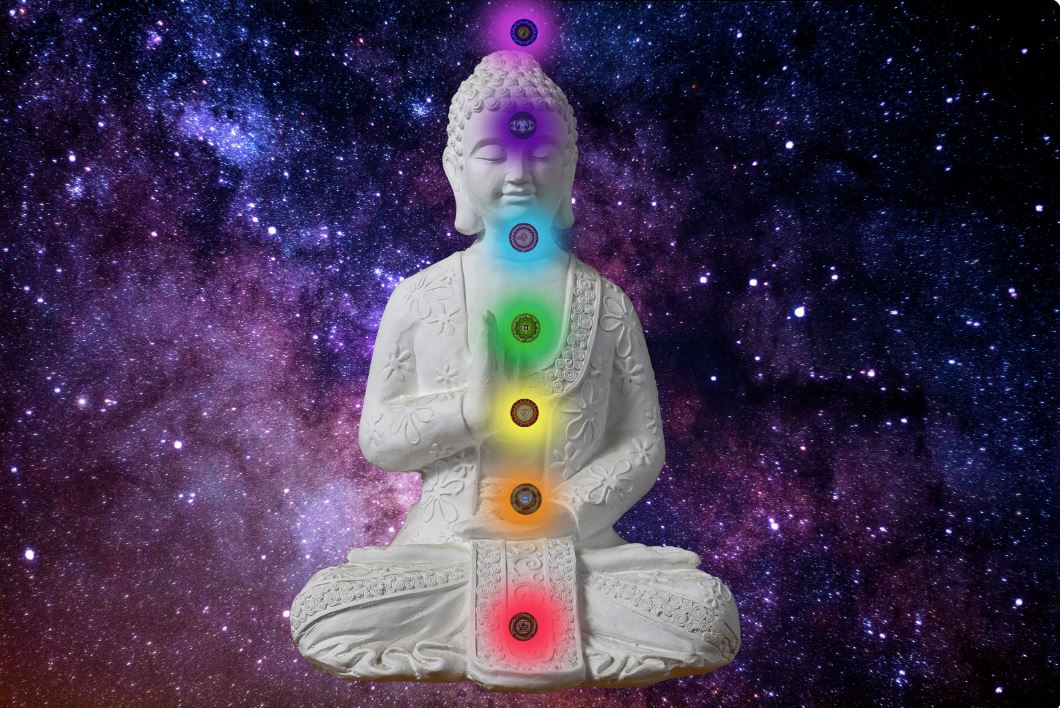
Chakras are spiritual concepts used in several South Asian religious and contemplative traditions. Many modern wellness systems describe seven main centres from the base of the spine to the crown of the head. These are symbolic maps, not anatomical organs, and chakra “blockages” are not medical diagnoses.
You can use chakra language to reflect on safety, creativity, agency, relationships, communication, insight, and meaning. Do not use it to explain illness, replace treatment, or promise that energy work will heal the digestive, reproductive, nervous, or other body systems.
What “life force” means in this context
Words translated as life force—such as prana in some traditions—belong to spiritual and philosophical frameworks. A practitioner may describe meditation, breath, movement, or attention as influencing energy. This experience can feel vivid and valuable without being a measurable medical mechanism.
Keep symbolic and clinical language separate. Fatigue, pain, anxiety, dizziness, reproductive symptoms, or digestive problems need appropriate health assessment rather than a chakra diagnosis.
A modern seven-chakra reflection map
Root: safety and stability
Commonly associated with survival, home, routine, and belonging. Ask: “What practical need—food, rest, housing, money, boundaries, or support—needs attention?”
Sacral: feeling and creativity
Often linked with pleasure, emotion, sexuality, and creativity. Ask: “What feeling am I avoiding, and what form of expression is safe and consensual?” This symbolism does not diagnose or heal reproductive conditions.
Solar plexus: agency and choice
Often used to explore confidence, responsibility, and action. Ask: “What decision is mine, and what remains outside my control?” It does not treat anxiety or digestive illness.
Heart: care and boundaries
Associated with love, grief, compassion, and connection. Ask: “Can I care without abandoning my limits?” Heart or chest symptoms require medical attention, not energy interpretation.
Throat: communication and truth
Used as a symbol for expression, listening, and integrity. Ask: “What needs to be said, to whom, and under what safety conditions?” For a separate spiritual reflection, see truth and the throat chakra.
Third eye: insight and perspective
Commonly linked with intuition and imagination. Ask: “What am I sensing, and what evidence would confirm or challenge it?” An impression is not proof of another person’s motives or a future event.
Crown: meaning and connection
Often associated with spiritual purpose and a sense of belonging to something larger. Ask: “Which value or community helps me act with humility and care?”
A ten-minute chakra reflection
- Sit or stand in a comfortable, safe position with your eyes open or closed.
- Choose one theme from the seven-centre map rather than scanning for disease.
- Take ordinary, unforced breaths and notice your surroundings.
- Write one feeling, one fact, and one practical need connected to the theme.
- Select a small action: drink water, make a call, set a boundary, create something, or arrange qualified help.
If inward attention increases anxiety or dissociation, stop and use an external sensory method from this guide to going from ungrounded to grounded.
Working with colour, sound, and objects
Modern chakra practices often pair centres with rainbow colours, sounds, stones, poses, or affirmations. These can make a ritual memorable, but they are not diagnostic tests. A colour preference does not reveal an organ problem, and a crystal or tone does not correct a disease.
Choose accessible practices and observe ordinary safety: comfortable movement, moderate sound, hygienic objects, and no ingestion of stones or oils. Stop any breath or movement practice that causes pain, dizziness, faintness, or panic.
Avoid spiritual blame
Illness, grief, infertility, trauma, poverty, or relationship harm is not proof that someone failed to keep a chakra open. Do not tell another person that their attitude created a condition or that forgiveness is required for recovery.
Chakra reflection may complement care when the person finds it meaningful. It should never make treatment, medication, consent, or evidence conditional on spiritual belief.
Frequently asked questions
Are chakras physical parts of the body?
No. Chakras are spiritual and symbolic concepts, not anatomical organs that can be confirmed by a medical scan or laboratory test.
Can a blocked chakra cause illness?
A chakra blockage is not a medical diagnosis. Symptoms can have many causes and should be assessed by a qualified health professional.
How can I use the seven chakras safely?
Use each centre as a reflection theme, note feelings and facts, and choose a small practical action. Keep breathing and movement comfortable and do not replace medical care.
Do chakra colours have one universal meaning?
No. Colour associations vary across systems and many familiar rainbow pairings are features of modern presentations. Treat them as optional symbolism rather than diagnosis.