
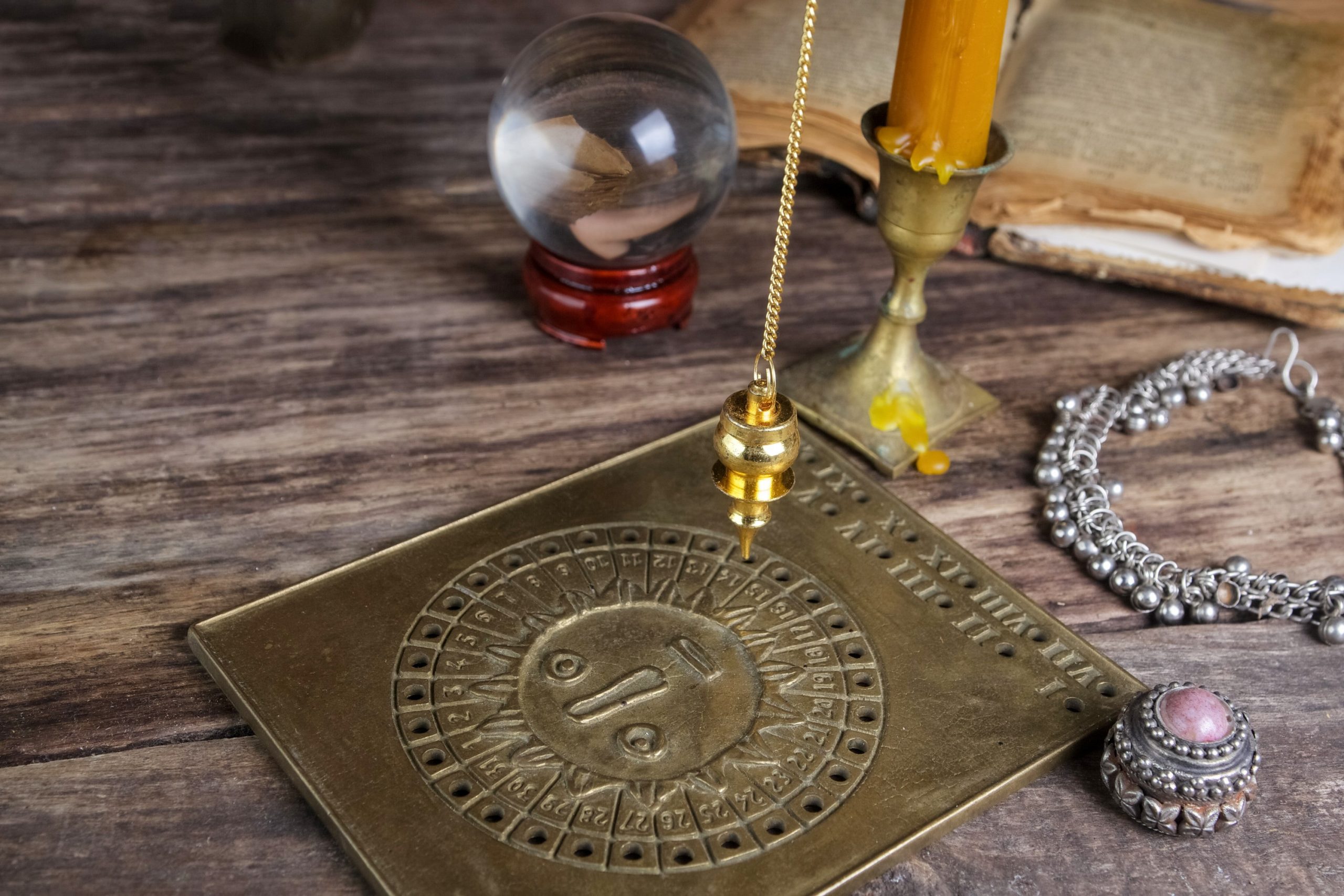
A new tarot deck, pendulum, rune set, scrying mirror or other divination tool does not have to be spiritually “cleansed” before it can work. Many practitioners still prepare a tool because the ritual marks a beginning, creates focus and makes the object feel personally meaningful. Treat cleansing and consecration as spiritual customs—not as proven ways to remove measurable energy or guarantee accurate answers.
Start with ordinary care. Inspect the object, clean it according to the maker’s instructions, and protect it from moisture, heat, smoke and abrasive materials. A gentle ritual should never damage the tool or put your health, home, pets or environment at risk.
Step 1: identify the material
Before choosing any method, determine what the tool is made from. Paper cards, wood, metal, glass, fabric, electronics and porous stones need different care.
- Cards and paper: keep dry; avoid salt, sprays, oils, damp cloths and prolonged direct sunlight.
- Wood: avoid soaking and sudden temperature changes; use only finishes or cleaners recommended by the maker.
- Metal: check whether water, salt or skin oils can cause tarnish or corrosion.
- Crystals and minerals: some dissolve, fracture, fade, react with water or release hazardous material. Identify the mineral before cleaning it.
- Mirrors and glass: protect coatings and edges; use an appropriate soft cloth and cleaner.
- Electronic tools: follow the manufacturer’s instructions and keep liquids, salt and heat away.
If the object is antique, valuable or of unknown composition, use a dry, non-contact ritual and consult a conservator before physical cleaning.
Step 2: clean it physically
Physical cleaning removes dust, residue and allergens. Wash your hands, clear a clean work surface and follow care instructions. For a deck, a soft dry cloth and clean storage box may be enough. For a washable object, use only the amount of water and cleanser its material safely tolerates, then dry it fully.
Second-hand items may need more practical care than new ones. Inspect for mould, pests, sharp edges, loose parts or strong fragrance. Do not use an object that cannot be made hygienic or safe.
Step 3: choose a low-risk symbolic cleansing
You can use one of these methods without claiming that it removes a scientifically measurable residue:
Quiet intention
Place the tool on a clean surface. Take several comfortable breaths and state what you want the practice to support: reflection, creativity, prayer or careful questioning. This method works for nearly every material.
Sound
Use a bell, chime, singing bowl, clapping or a short piece of music. Protect your hearing and avoid loud sound around children, pets or anyone with sensory sensitivities. The sound marks a transition; it does not need to be intense.
Indirect moonlight
Set the tool on an indoor windowsill for a short period if that feels meaningful. Keeping it indoors avoids moisture, theft, wildlife and weather exposure. Moonlight itself does not “charge” an object in a measurable sense, and no specific number of hours is required.
Visualization or prayer
Imagine the object surrounded by clear light, or use a prayer from your own tradition. Avoid borrowing sacred words or ceremonies you do not understand. A simple, personal statement is enough.
A clean cloth or dedicated box
Wrapping the tool or placing it in a chosen container can symbolize a fresh start while also protecting it. Make sure fabrics are clean, colourfast and free from oils that could transfer.
Methods that require extra caution
Water
Water can warp cards and wood, damage coatings, corrode metal and harm many minerals. Never assume a crystal is water-safe. If you are uncertain, keep water in a nearby bowl as a symbol rather than placing it on the object.
Salt
Salt is abrasive and corrosive, and it can draw moisture. Do not sprinkle it directly on cards, metal, polished surfaces or unknown stones. If salt is part of your tradition, keep it in a separate closed dish beside the tool.
Smoke and incense
Smoke can trigger asthma, migraines and allergies, leave residue, harm pets and activate smoke alarms. It also creates fire risk. A smoke-free option is safer for many homes. If you do burn incense, ventilate the space, use a stable fireproof holder and never leave it unattended.
White sage and palo santo have specific cultural and ecological contexts. Avoid presenting them as universal necessities. Learn about sourcing, respect closed practices, and use locally appropriate plants or a non-burning method when possible.
Candles and flame
Do not pass cards, fabric, hair, wood, coatings or unknown minerals over a flame. Keep tools outside the candle’s heat path, use a stable holder and extinguish the flame when you leave. An unlit candle or battery light can carry the same symbolism without combustion.
Sunlight
Direct sun can fade inks, bleach fabric, dry wood and alter the colour of some minerals. If sunlight matters to your ritual, use brief indirect light and check the maker’s care guidance.
Step 4: get familiar with the tool
Preparation is more useful when it includes learning. Read the guidebook, examine every card or symbol, and practise neutral questions. For a tarot or oracle deck, shuffle it in a way that does not strain your hands or bend the cards. For a pendulum, learn how your grip, breathing and small unconscious movements can affect motion.
Keep a journal with the date, question, interpretation and later outcome. This helps you notice consistency, ambiguity and hindsight. For a broader decision process, use our guide to combining intuition with evidence.
Step 5: set ethical boundaries
Write a short purpose statement before the first session. For example:
I will use this tool for reflection and creative inquiry. I will respect privacy and consent, avoid certainty about another person’s thoughts, and seek qualified help for medical, legal, financial or safety decisions.
Decide what you will not ask. Avoid repeatedly checking the same question, using a tool to surveil a partner, declaring that someone is cursed, or telling a vulnerable person that disaster is certain. Our guide to common myths about psychic readings explains why responsible practice avoids claims of infallibility.
Step 6: dedicate or consecrate it
Consecration simply means setting the object apart for a purpose. It is optional. Place the tool on a safe surface, state your intention and choose a closing gesture: tie a ribbon, place it in its box, write the date in your journal, or offer a brief prayer.
You do not need all four classical elements, a full moon, expensive crystals or a practitioner to “seal” the tool. No ritual can prevent every outside influence or make an interpretation automatically true. Your preparation is complete when the tool is physically safe, familiar and connected to clear ethical limits.
A quick preparation checklist
- Identify the material and read its care instructions.
- Clean it physically with a safe method.
- Choose one optional, low-risk symbolic ritual.
- Learn the system and practise with neutral questions.
- Write your purpose and ethical boundaries.
- Store the tool somewhere clean, dry and accessible.
- Review your interpretations instead of assuming every result is accurate.
Frequently asked questions
Must I cleanse a new tarot deck before using it?
No. Cleansing is an optional spiritual or reflective ritual, not a requirement for the deck to function. Physical care, familiarity with the cards and ethical practice matter more.
Can I cleanse every crystal or tool with water and salt?
No. Water and salt can dissolve, corrode, stain, scratch or weaken many materials. Identify the object and follow its care instructions; use a non-contact ritual if you are unsure.
Is smoke cleansing necessary?
No. Smoke can create respiratory, fire, pet and residue risks. Quiet intention, sound at a comfortable volume, visualization or safe storage can mark the same symbolic transition.
Will consecrating a divination tool make its answers accurate?
No. A dedication ritual can help you focus and define ethical boundaries, but it cannot guarantee accuracy or predict the future with certainty. Review interpretations and use evidence for important decisions.