
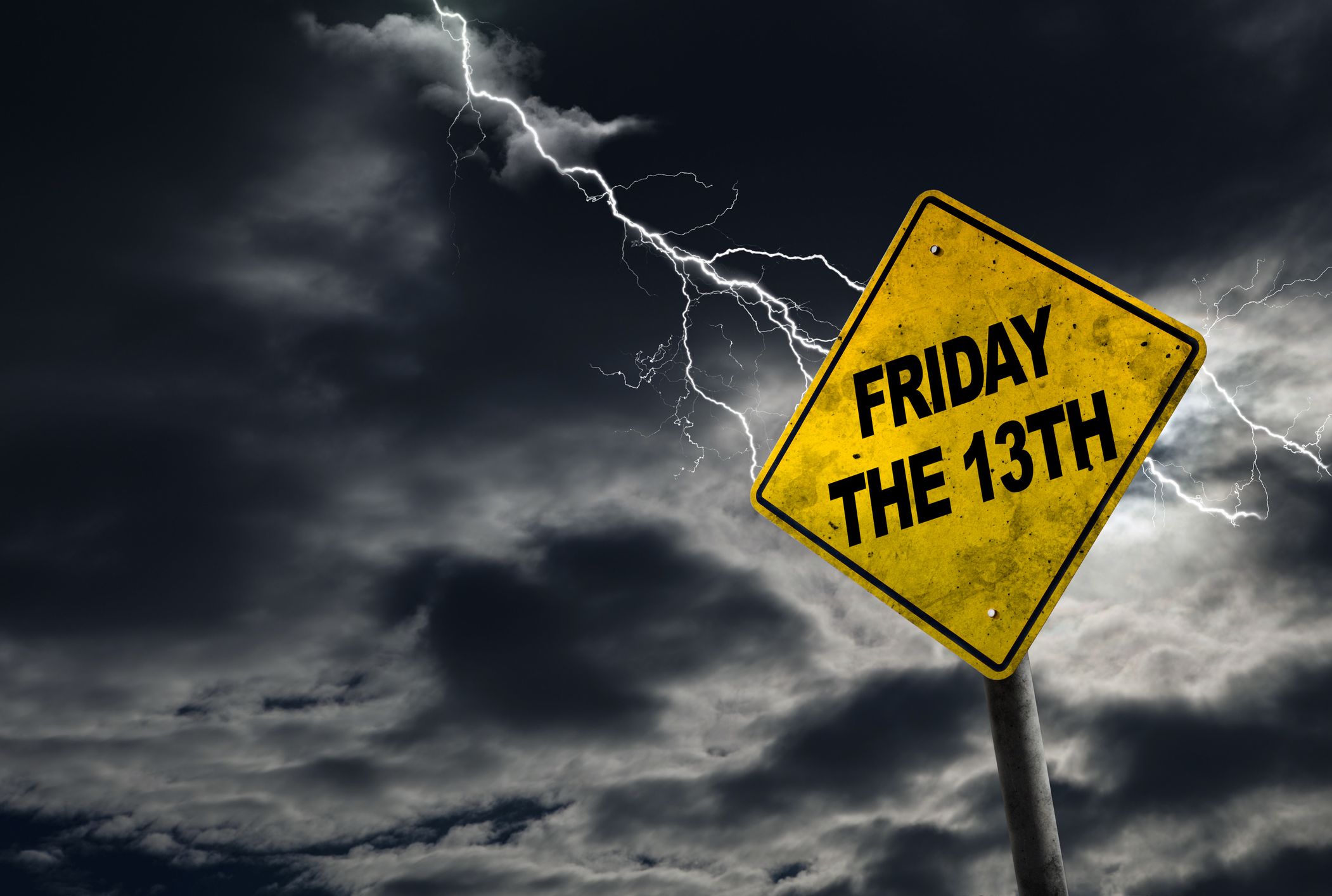
Friday the 13th has a dramatic reputation, but a date on the calendar does not cause bad luck. The superstition is better understood as a blend of older beliefs, changing folklore, popular culture and the human tendency to notice events that confirm an expectation.
You can enjoy the spooky atmosphere without treating ordinary setbacks as supernatural warnings.
Friday and 13 began as separate ideas
The exact origin of the combined superstition is uncertain. Folklorists have found that Friday and the number 13 had separate unlucky associations before clear references to “Friday the 13th” appeared.
That uncertainty matters. Many familiar origin stories are later explanations, not proven historical starting points.
Why 13 gained an unlucky reputation
Twelve often represents a complete set: months in a year, hours on a clock face or signs in the zodiac. Thirteen can therefore feel like a step beyond an orderly pattern.
Christian folklore also points to the 13 people at the Last Supper. However, scripture does not identify Judas as the thirteenth arrival or establish a rule that 13 is unlucky. Other cultures and traditions do not share one universal meaning for the number.
Why Friday gained a negative association
In some Christian traditions, Friday became associated with the crucifixion and with fasting or restraint. Those associations may have contributed to a reputation for misfortune in parts of Europe.
Friday is not considered unlucky across all religions or cultures. A belief that feels ancient and universal may actually be local and historically specific.
When the combined superstition appeared
Clear references to Friday the 13th as an unlucky date appear in nineteenth-century French writing. The idea later circulated through translations, newspapers, fiction and advertising.
The 1907 novel Friday, the Thirteenth helped popularize the expression in the United States. Twentieth-century films and other media turned it into a globally recognizable symbol of suspense.
The Knights Templar story is not a proven origin
King Philip IV of France ordered the arrest of many Knights Templar on Friday, October 13, 1307. This event is often presented as the source of the superstition.
The date is historical, but evidence that it created the Friday-the-13th belief is lacking. The connection became a compelling modern story because it neatly combines a Friday, the number 13 and a dramatic event.
What about Norse mythology?
Another popular tale describes Loki arriving as an unwanted thirteenth guest at a banquet, followed by the death of Balder. Versions of Norse myth do involve Loki and Balder, but using the story as a direct origin for modern Friday the 13th is speculative.
Folklore often grows by linking older stories to a belief after that belief is already familiar.
Why bad luck can seem more common
Expectation changes attention. If you anticipate trouble, a spilled drink, delayed bus or awkward conversation becomes evidence. The same events on another day may be forgotten.
This is a form of confirmation bias: noticing matches and overlooking non-matches. Memory also retells events in ways that make a pattern seem stronger.
A simple evidence test
If you feel that Friday the 13th affects your life, run a small experiment:
- Before the date, define what would count as a negative event.
- Track the same events on Friday the 13th and on three ordinary Fridays.
- Record positive, neutral and negative events.
- Do not change your normal routine to make the day safer.
- Compare the records afterward.
A fair test counts every day by the same rules.
Fear can create real effects
The date itself does not need supernatural power for fear to affect someone. Anxiety may lead to poor sleep, avoidance, distraction or rushed decisions. Those consequences come from the stress response and behaviour around the belief.
Use ordinary calming steps: keep your routine, eat regularly, limit frightening media, slow your breathing and focus on the next practical task.
Is fear of Friday the 13th a diagnosis?
Long words such as triskaidekaphobia are commonly used for fear of 13, while several spellings describe fear of Friday the 13th. A label alone does not establish a clinical diagnosis.
If fear causes significant distress, repeated avoidance or problems with work and travel, a qualified mental-health professional can help. Effective anxiety care does not depend on proving the superstition wrong in one conversation.
Buildings and the missing 13th floor
Some buildings label the floor after 12 as 14 or use another name. Renaming does not remove a physical floor; it accommodates custom, marketing or occupants’ preferences.
The practice shows how a belief can shape design and behaviour without demonstrating that the number has power.
Travel, markets and accident claims
Claims that flights always cost less, markets reliably fall or accidents surge on Friday the 13th are too broad. Prices and events have many causes, and isolated examples cannot establish a general rule.
Follow normal safety and purchasing checks. Do not make a financial or travel decision solely because of the date.
Can 13 be lucky?
Yes—if a person or culture chooses that meaning. Numbers acquire associations through stories, habits and personal experience. The same number can feel fortunate, ordinary or uncomfortable to different people.
This flexibility is another reason not to treat one meaning as an objective force.
Enjoy the day without feeding fear
Use the theme for a movie night, folklore discussion, costume, creative project or neighbourhood gathering. Keep the setting realistic: a living room, home-office book club or evening in the yard can be enough.
A playful ritual is fine when everyone understands it as symbolic. Salt, charms and lucky objects do not guarantee safety, and nobody should be pressured to participate.
How to respond to a sign on Friday the 13th
A black cat, broken object or repeated number does not predict harm. Check the immediate situation and act on evidence. Protect animals, clean hazards and continue with your plan.
For more on symbolic encounters, see how to explore animal meanings without ignoring context or wildlife safety. For coincidences more broadly, use this method to interpret signs without treating them as commands.
A grounded Friday-the-13th plan
- Notice the prediction your mind is making.
- Name two ordinary explanations for the feeling.
- Follow your normal safety routine.
- Record good and neutral events as well as setbacks.
- Choose one enjoyable activity that gives the date a new association.
The aim is not to mock tradition or anxiety. It is to keep folklore in the realm of story and personal meaning rather than surrendering choices to a calendar.
Frequently asked questions
Is Friday the 13th actually unlucky?
No evidence shows that the date itself causes misfortune. Expectation and selective attention can make ordinary setbacks feel unusually meaningful.
Did the Knights Templar create the superstition?
No. Arrests did occur on Friday, October 13, 1307, but the claim that this event originated the modern superstition is not supported by clear historical evidence.
Why do some buildings skip floor 13?
Some owners use another label to accommodate superstition or market preference. The physical floor still exists, so the practice reflects belief rather than danger.
What can I do if the date makes me anxious?
Keep your routine, limit triggering media, use slow breathing and track events fairly. Seek professional support if the fear causes significant distress or avoidance.